
Hurricane Season Roof Prep Checklist
Essential steps Tampa Bay homeowners should take to prepare their roofs for hurricane season and protect their homes from storm damage.
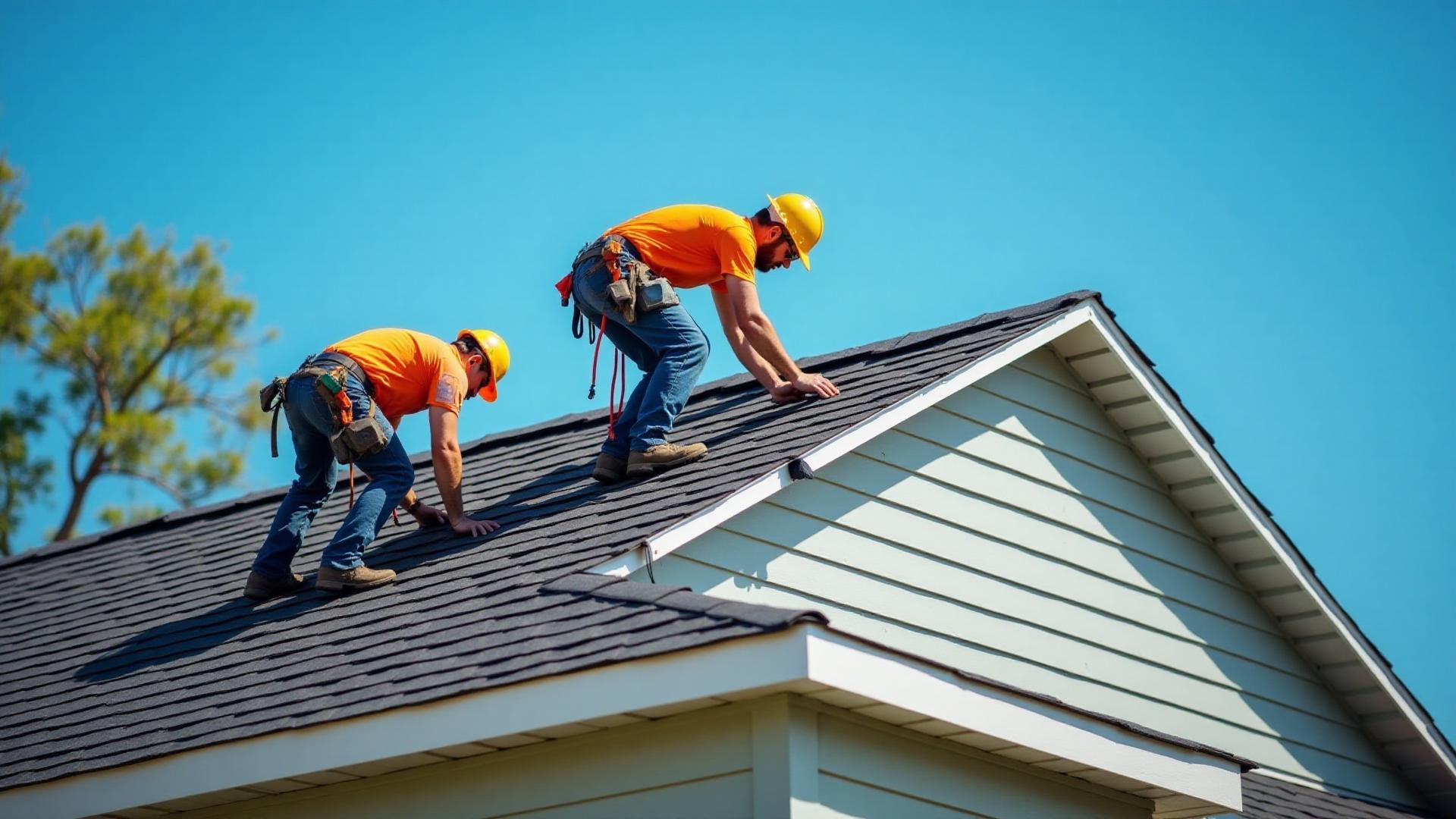
Hurricane Season Timeline
June 1 - November 30: Complete your roof prep by May to ensure your home is protected before the peak season (August-October).
Pre-Season Inspection Checklist
A thorough roof inspection is your first line of defense. Here's what to look for:
Shingle Condition
Check for loose, cracked, or missing shingles that could become projectiles
Flashing Integrity
Inspect around chimneys, vents, and skylights for gaps or damage
Gutter Security
Ensure gutters are properly secured and draining away from foundation
Tree Limbs
Trim branches within 10 feet of your roof to prevent impact damage
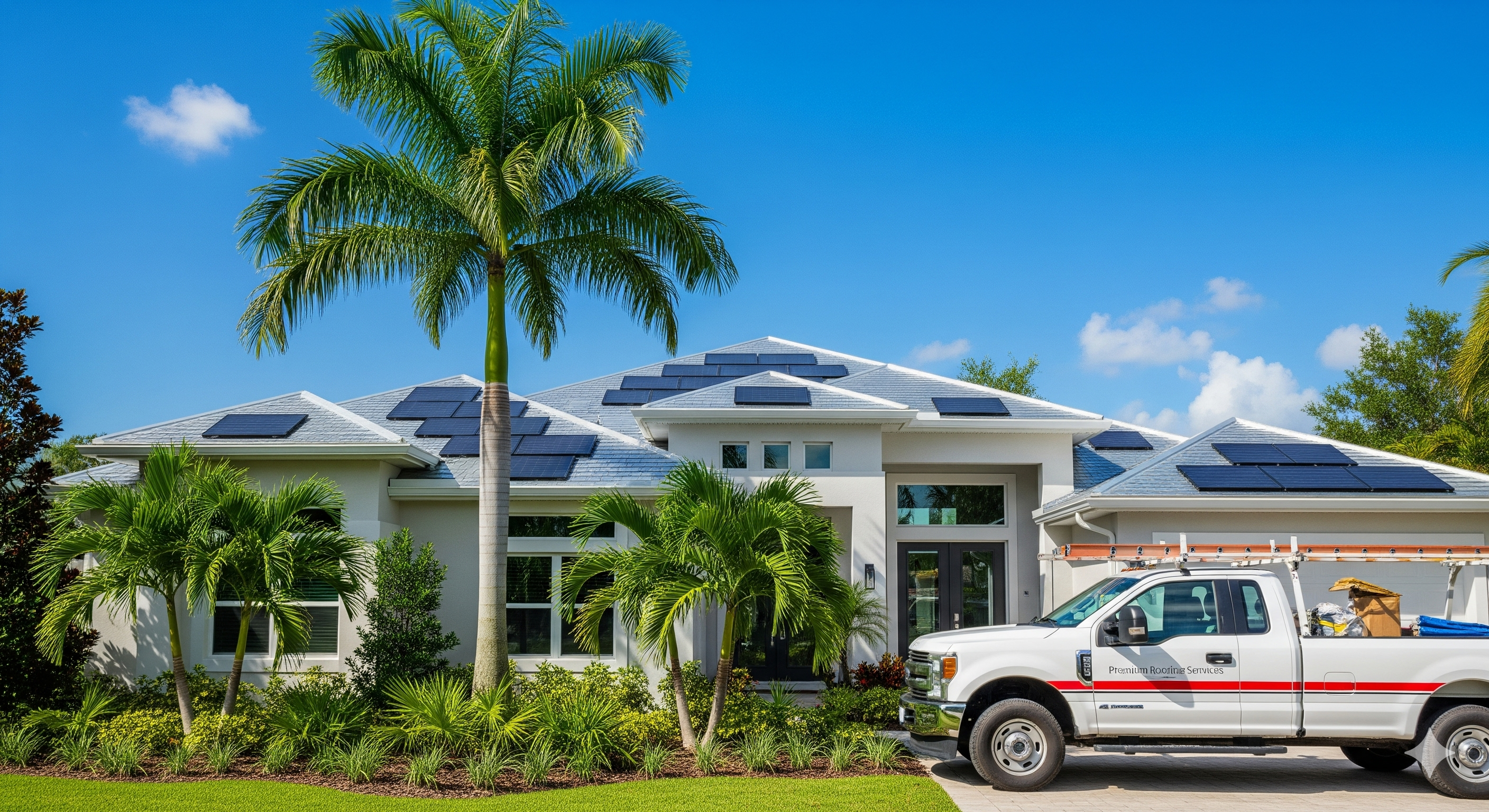
Essential Repairs to Complete
Don't wait until a storm is approaching. Address these issues immediately:
High Priority Repairs
- • Missing or damaged shingles
- • Loose flashing or sealant
- • Clogged or damaged gutters
- • Compromised roof deck
Medium Priority
- • Worn weatherstripping
- • Minor granule loss
- • Attic ventilation issues
- • Chimney cap problems
Storm-Proofing Upgrades
Consider these upgrades to improve your roof's hurricane resistance:
Hurricane Straps & Clips
Metal connectors that secure your roof deck to the walls, significantly improving wind resistance.
- • Can increase wind resistance by 40%
- • Required by Florida Building Code for new construction
- • Insurance discounts often available
- • Professional installation recommended

Emergency Preparation Kit
Keep these materials on hand for quick repairs after a storm:
Basic Supplies
- • Heavy-duty tarps
- • Roofing nails and screws
- • Hammer and drill
- • Roofing cement
- • Safety equipment
Professional Contact Info
- • Trusted roofing contractor
- • Insurance agent
- • Emergency restoration service
- • Local building department
During the Storm
Safety First
- • Never attempt roof repairs during a storm
- • Move to interior rooms away from windows
- • Have buckets ready for potential leaks
- • Document any damage with photos/video
- • Stay informed with weather updates
Post-Storm Inspection
After the storm passes, conduct a careful inspection:
Ground Level First
Look for shingle debris, damaged gutters, and obvious issues from the ground
Interior Check
Inspect attic and ceilings for water stains or active leaks
Professional Assessment
Call a qualified roofer for thorough roof inspection
Insurance Claims
If you discover storm damage:
- • Document everything with photos and video
- • Contact your insurance company immediately
- • Make temporary repairs to prevent further damage
- • Keep receipts for all emergency repairs
- • Work with reputable contractors only